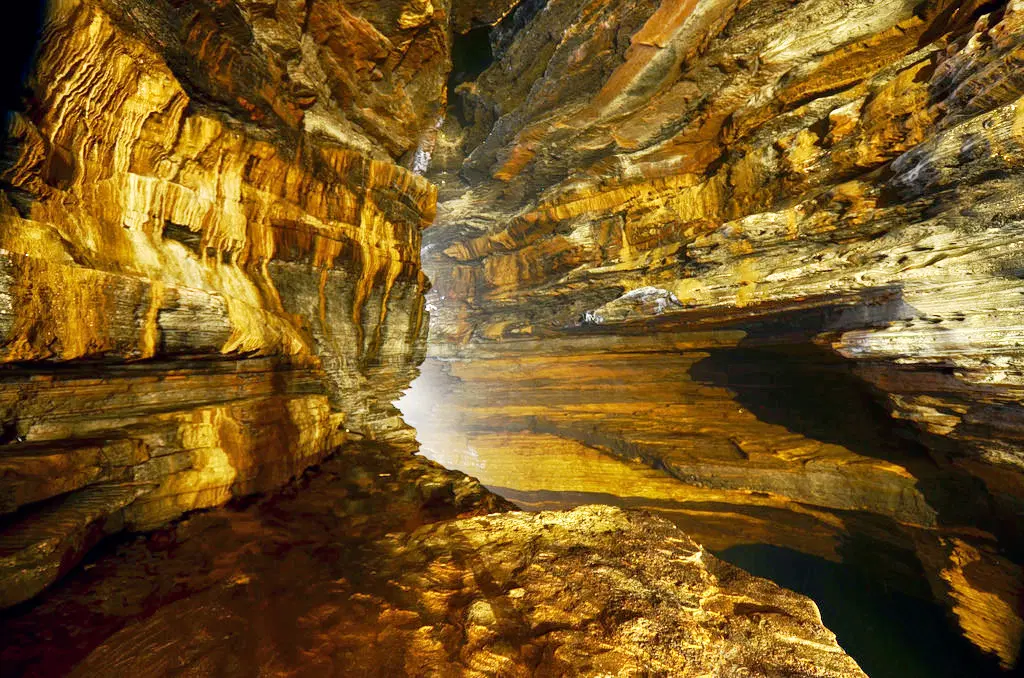
Gupteshwor Mahadev Cave
15 min drive
This limestone cave is situated near the Davi's Fall and features a sacred shrine, providing a geological contrast to the museum exhibits.

Pokhara sits at the base of the Annapurna range, offering mountain panoramas, a mirrored lake, and temple trails within a compact valley. A single day covers sunrise viewpoints, waterfront walks, and key cultural sites when sequenced correctly. This guide lays out the route that maximizes daylight and minimizes backtracking.
Quick answer
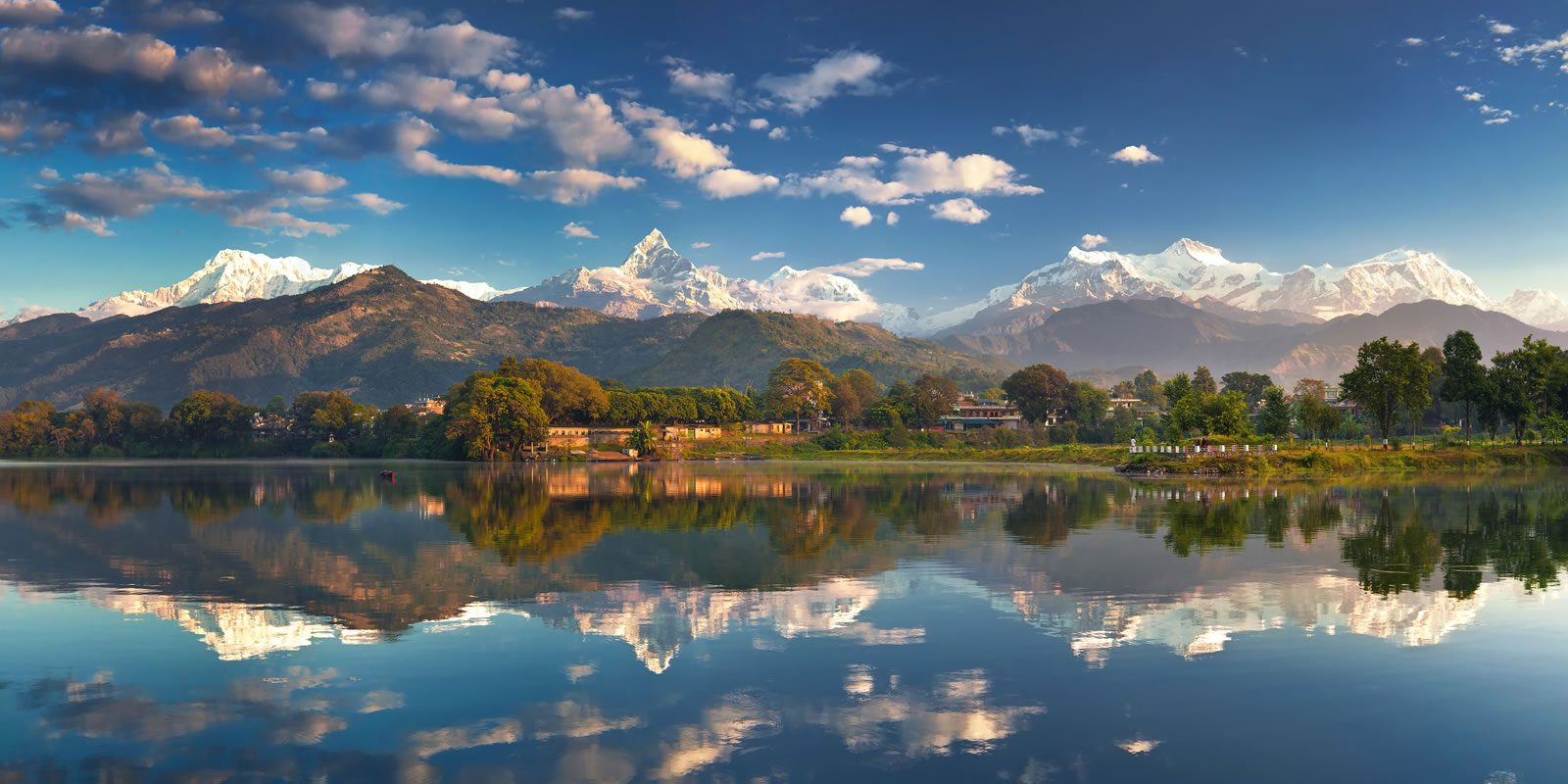
A well-planned Pokhara day trip itinerary starts before dawn at Sarangkot for Himalayan sunrise views, descends to Phewa Lake by mid-morning for a boat ride to Tal Barahi Temple, continues to Davis Falls and Gupteshwor Cave before lunch, and finishes at the International Mountain Museum in the afternoon. The route follows a natural south-to-north arc that keeps the Annapurna range in view and groups lakeside, waterfall, and museum zones by proximity. Budget seven to eight hours of active time, plus transport and meal breaks.
Pokhara compresses the drama of the Himalayas into a valley narrow enough to cross in thirty minutes, yet dense enough to demand choices. The Annapurna massif rises eight thousand meters above the city, visible from almost every rooftop, while Phewa Lake anchors the valley floor with a surface so still it doubles the skyline on windless mornings. A successful one-day route in Pokhara hinges on sunrise timing and geographic clustering. Sarangkot, perched fifteen hundred meters above the valley, delivers unobstructed views of Dhaulagiri, Annapurna, and Machhapuchhre at dawn, when the peaks glow pink against a blue-black sky. The thirty-minute drive from Lakeside begins in darkness, and most visitors reach the viewpoint by 5:30 AM to claim a clear sightline before the tour groups arrive. By 7:00 AM, the light flattens and the moment passes. Descending to Phewa Lake by 8:30 AM positions you for a boat crossing to Tal Barahi Temple, a two-tiered pagoda on an island at the lake's center. The rowboats launch from the eastern shore near Barahi Ghat, and the fifteen-minute crossing offers a reverse angle on the peaks you watched at sunrise. The mid-morning window is the correct time to tackle Davis Falls and Gupteshwor Cave, both located two kilometers south of Lakeside and accessible within a shared visit. Davis Falls funnels the Pardi Khola river into a narrow gorge during monsoon months, and the adjacent Gupteshwor Cave extends into a limestone chamber with a natural skylight above the underground stream. Both sites grow crowded after 11:00 AM, so an arrival between 9:00 and 10:00 AM keeps foot traffic manageable. The International Mountain Museum anchors the southern end of the valley, three kilometers from the cave complex, and warrants a ninety-minute visit for its galleries on Himalayan geology, expedition history, and ethnic cultures of the mountain regions. The museum opens at 9:30 AM, but an arrival between 11:00 AM and 1:00 PM avoids the morning rush and leaves the afternoon free for the Lakeside promenade or the World Peace Pagoda, a white stupa on a forested ridge above the southern shore. The Pokhara day trip itinerary outlined here prioritizes the Annapurna viewpoints and the lake's central landmarks, leaving secondary sites like Mahendra Cave and Seti River Gorge for a longer stay. The route assumes private transport or a hired taxi for the Sarangkot segment, as public buses do not reach the viewpoint before sunrise. Phewa Lake, Davis Falls, and the museum cluster within a five-kilometer radius, making the afternoon loop navigable by taxi, rented scooter, or even bicycle if the day is cool and the roads are dry.
“Sarangkot delivers unobstructed views of Dhaulagiri, Annapurna, and Machhapuchhre at dawn, when the peaks glow pink against a blue-black sky.”
This itinerary suits travelers seeking a mix of cultural landmarks, natural beauty, and local atmosphere in Pokhara. The plan covers a full day from morning through evening, allowing time for exploration without rushing.
Start at Phewa Lake with a paddle boat or rowboat to Tal Barahi Temple on the island. The calm morning water offers clear mountain reflections and a peaceful start before crowds arrive.
Head to the Old Bazaar area to explore traditional Newari architecture, local shops, and morning market activity. Spend about an hour browsing handicrafts, spices, and observing daily routines.
Stop for dal bhat or local Nepali cuisine at a restaurant around Mahendra Pool. This central location makes it easy to continue exploring afterward.
Visit the museum at Ratopairo to learn about Himalayan peaks, mountaineering history, and indigenous mountain cultures. Allow 1.5 to 2 hours to cover the main galleries without rushing.
Walk up to this hilltop Hindu temple for late-afternoon views over the valley. The site is active with local worshippers and offers a quiet place to observe rituals.
End the day along Lakeside Road as shops and cafes light up. Browse souvenir stalls, enjoy live music from restaurants, or simply watch the sunset colors over the lake.
To maximize your day, prioritize the best arrival window of 09:30–11:00. This ensures you avoid mid-day heat and the congestion caused by larger tour groups.
Clear skies, 15°C to 24°C
Optimal visibility for mountain views and comfortable walking temperatures.
Warm, 18°C to 28°C
Rhododendrons bloom and temperatures remain pleasant for outdoor activities.
Cool, 5°C to 18°C
Crisp air and clear peaks, though mornings remain chilly.
Humid, 20°C to 30°C
Frequent rainfall may limit visibility and outdoor transit options.
Verdict: The best time for a Pokhara day trip is during the clear, stable months of October or November, arriving promptly at 09:30.
The International Mountain Museum remains open daily throughout the week for visitors planning their Pokhara day trip.
The International Mountain Museum is located in Ratopairo, Pokhara, and is most efficiently accessed via private transport or local taxi services from the Lakeside area. These options provide direct transit to the museum entrance.
Direct hire from Lakeside to Ratopairo
Private vehicle via Siddhartha Highway
Local bus from Lakeside to Ratopairo
Visitors should request that their driver drop them at the main gate on the Siddhartha Highway for the shortest walk to the ticket office. Taxis are widely available for the return journey from the designated stand outside the museum entrance.
Complement your visit to the International Mountain Museum by exploring these nearby sites located within a short travel distance. These locations offer cultural and geographical context that aligns with a day trip through Pokhara.
15 min drive
This limestone cave is situated near the Davi's Fall and features a sacred shrine, providing a geological contrast to the museum exhibits.
15 min drive
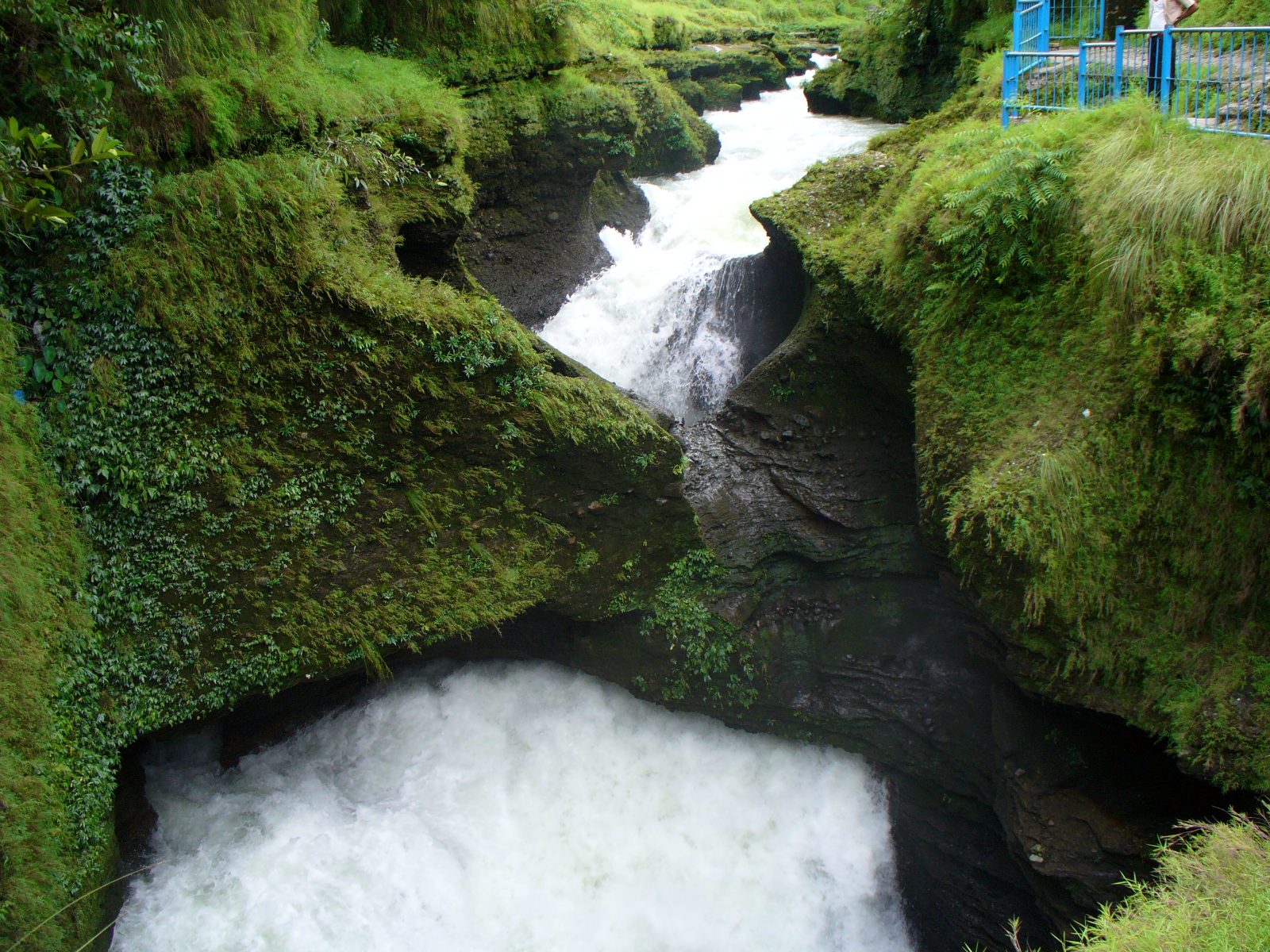
Located directly opposite the cave, this waterfall is a significant natural landmark that follows the Pardi Khola stream.
30 min drive
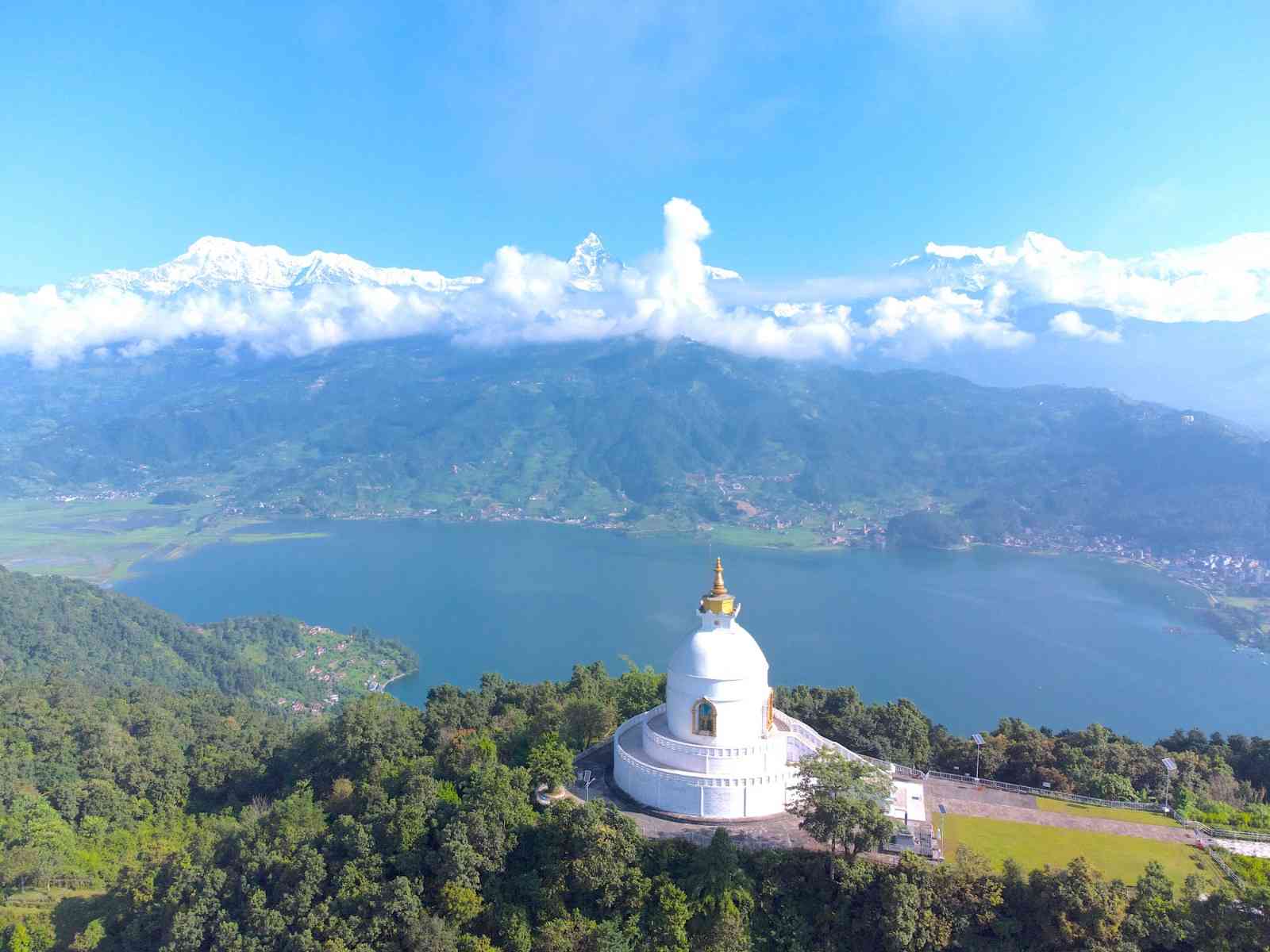
This Buddhist monument sits atop a hill overlooking Phewa Lake and offers a quiet space for reflection after your morning museum visit.
Everything you need to know about pokhara day trip itinerary
A well-rounded plan often balances outdoor activities like boating on Phewa Lake with cultural stops like the International Mountain Museum. Many travelers also include a hike to the World Peace Pagoda or a visit to the Gupteshwor Mahadev Cave to round out their day. Organizing your pokhara day trip itinerary this way ensures a mix of scenic beauty and local heritage.
Joining a structured Pokhara landmarks excursion can provide historical context and logistics support that you might miss on your own. Professional guides often navigate local traffic efficiently, which is helpful if you have a tight schedule. This approach lets you focus on the scenery rather than worrying about navigation or local transit details.
To get the most out of your visit, plan to arrive during the recommended morning window of 09:30–11:00. This timing allows you to explore the exhibits on Himalayan mountaineering history and indigenous cultures before the larger crowds arrive. The museum is located in Ratopairo and requires a foreigner entrance fee of 750 NPR per person.
For a flexible pokhara day trip itinerary, hiring a private taxi or renting a bicycle are popular choices for moving between sites. Public transport exists, but private arrangements offer more control over your pace throughout the day. Always verify the address at Ratopairo with your driver to ensure you reach the correct entrance.
To avoid peak heat and congestion, it is best to visit popular attractions early in the day. The museum specifically recommends arriving between 09:30–11:00 for the most comfortable experience. Following this advice ensures your pokhara day trip itinerary remains stress-free and enjoyable.
The museum is accessible for families and offers educational insights into the peaks of the Annapurna range. Children typically find the mountaineering artifacts and cultural displays engaging. Ensure you have the 750 NPR per person entrance fee ready for each adult in your group.
Pokhara Tour Package Price
Read more GuideWhat is Pokhara Famous For?
Read more GuidePokhara Day Trip from Kathmandu
Read more GuideIs Pokhara Worth Visiting?
Read more Tickets & toursPokhara Day Trips
Read more Tickets & toursHalf-Day Pokhara Tours
Read more GuidePokhara Sightseeing Tour Cost
Read more