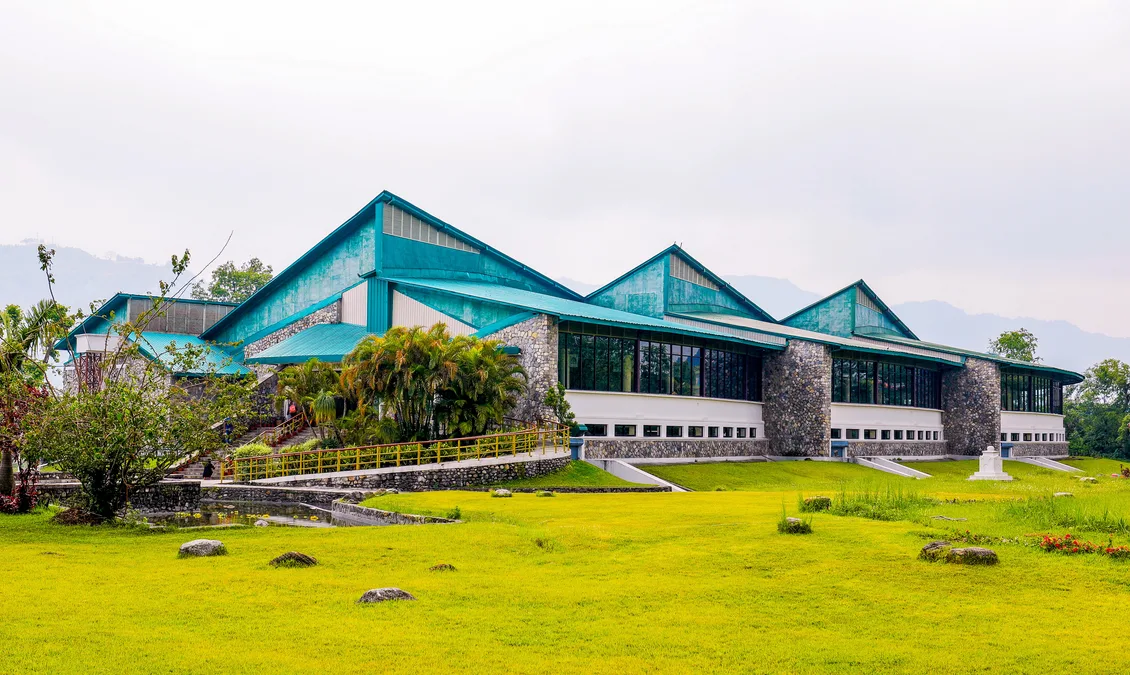
International Mountain Museum
15 min drive
Located near the city center, this site provides context for the regional geography and mountaineering history that defines Pokhara.

Pokhara spreads its attractions across distinct zones — lakeside temples, mountain viewpoints, caves, and waterfalls — each with its own entry fee and transport consideration. Tour costs depend on how many sites you combine, whether you hire a private guide, and which transport mode you choose. This guide breaks down verified fees and typical spending patterns so you can budget accurately.
Quick answer
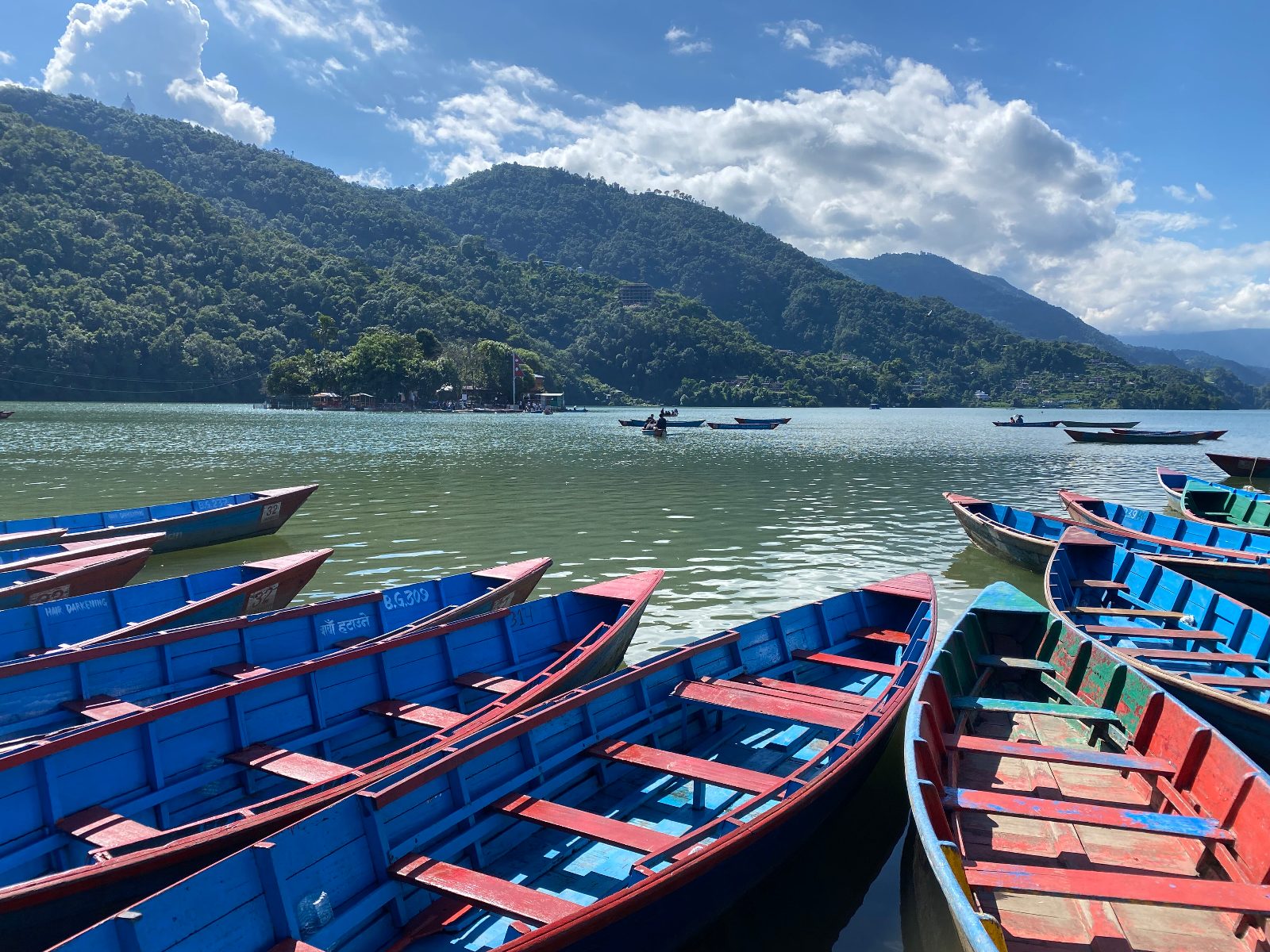
A full-day Pokhara sightseeing tour typically costs between NPR 1,500 and NPR 8,000 per person, depending on the number of sites visited and whether you book shared transport, private hire, or a guided package. Individual attraction fees range from free entry at Phewa Lake to NPR 750 at the International Mountain Museum. Most visitors spending a full day exploring five to seven sites budget NPR 3,000 to NPR 5,000 including transport, entry fees, and a guide.
Pokhara's geography dictates its tour economics — the city's major attractions sit scattered across a 15-kilometer corridor from Sarangkot in the north to Devi's Fall in the south, making transport the largest variable in your pokhara sightseeing tour cost. A motorcycle rental runs NPR 800 to NPR 1,200 per day, a private car with driver costs NPR 4,000 to NPR 6,000 for eight hours, and shared tourist buses charge NPR 500 to NPR 800 for standard loops. The International Mountain Museum anchors the higher end of entry fees at NPR 750 for foreign visitors, while Bindhyabasini Temple and the World Peace Pagoda request donations rather than fixed admission. Guide fees add NPR 2,000 to NPR 3,500 to your total depending on language capability and group size. Licensed guides working through registered agencies charge more but provide historical context at Tal Barahi Temple and navigation through the less-marked cave systems at Mahendra and Gupteshwor. Independent guides at Phewa Lake offer lower rates but variable expertise. Most multi-site tours operate between 8:30 and 17:00 to maximize clear Annapurna views before afternoon cloud cover obscures the northern ridgeline. The standard Pokhara city tour — covering Phewa Lake boating, Devi's Fall, Gupteshwor Cave, Bindhyabasini Temple, and the Mountain Museum — totals NPR 1,500 to NPR 2,000 in entry fees alone before transport. Adding Sarangkot sunrise requires an early start and separate vehicle hire, pushing costs upward. Budget-conscious travelers combining public microbuses with rented bicycles for lakeside zones manage NPR 1,500 to NPR 2,500 daily spends, while comfort-focused visitors booking private vehicles with English-speaking guides budget NPR 6,000 to NPR 8,000. Lunch stops near tourist sites charge NPR 400 to NPR 800 for dal bhat or momo sets, compared to NPR 200 to NPR 300 in local neighborhoods away from Lakeside. Photography fees apply at select viewpoints — NPR 100 to NPR 200 for camera permits at the Peace Pagoda and certain museum exhibits. Most attractions accept cash only, and ATMs cluster in the Lakeside district rather than at individual sites. The monsoon months of June through August see reduced visitor traffic and occasional discounts on private vehicle hire, though landslides can close mountain roads and limit access to northern viewpoints.
“Pokhara's scattered geography makes transport the largest variable in your daily tour budget — the 15-kilometer corridor between Sarangkot and Devi's Fall demands vehicle planning before attraction selection.”
Sightseeing in Pokhara involves variable daily costs depending on your choice of transportation and guided services. Planning for a mix of entry fees, private transport, and local meals provides a realistic view of your travel budget.
How to spend less
Verdict: A budget-conscious visitor can expect to spend approximately 3500 NPR daily, while a comfortable experience typically ranges between 6000 and 8000 NPR per person.
There is no single entrance fee for sightseeing in Pokhara as the city consists of various independent attractions. Costs depend entirely on which specific sites, such as museums or religious landmarks, you choose to visit.
Verdict: A typical adult pays between 0 NPR and 750 NPR per site, depending on whether the location is a public monument or a managed institution.
The best arrival window is 08:30–16:00 to capitalize on clear morning weather and mountain views before afternoon cloud cover develops. Planning your tour during these hours ensures you gain the most value from your sightseeing budget.
Clear skies, 15°C to 24°C
Optimal visibility for mountain scenery and sightseeing activities.
Warm, 18°C to 28°C
Flowers bloom and temperatures are pleasant for outdoor walking.
—
Fewer crowds provide quieter access to local sites and more flexible travel pacing.
Verdict: The concrete best slot for visiting is between 08:30–16:00 during the months of October or November.
Sightseeing activities in Pokhara operate on a consistent daily schedule to accommodate visitors throughout the week. You may plan your tours for any day, including weekends.
To maximize the value of your travel time and tour expenditure, consider grouping sites located in proximity to one another. These landmarks are within a short distance, allowing for efficient logistics throughout your day.
15 min drive
Located near the city center, this site provides context for the regional geography and mountaineering history that defines Pokhara.
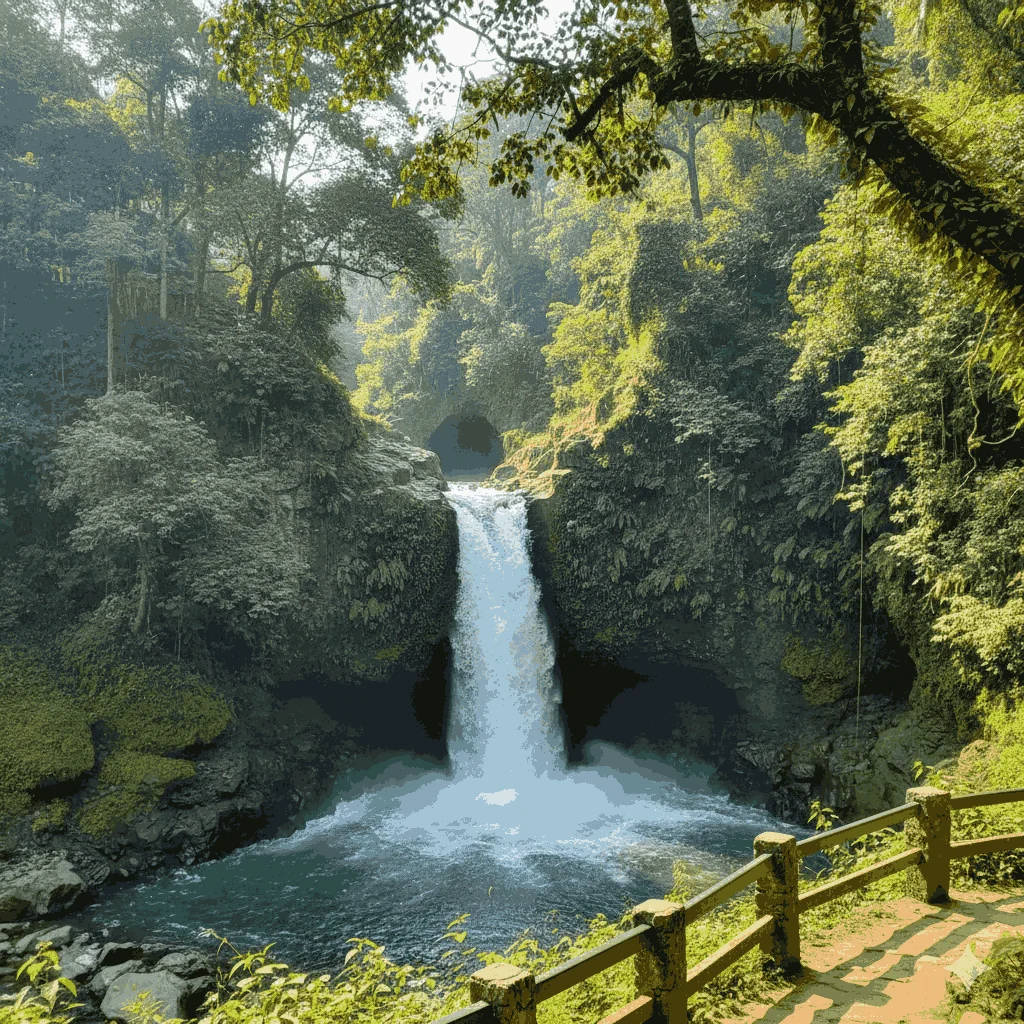
10 min drive
This natural landmark is situated close to other southern attractions, making it a logical stop to include in your tour route.
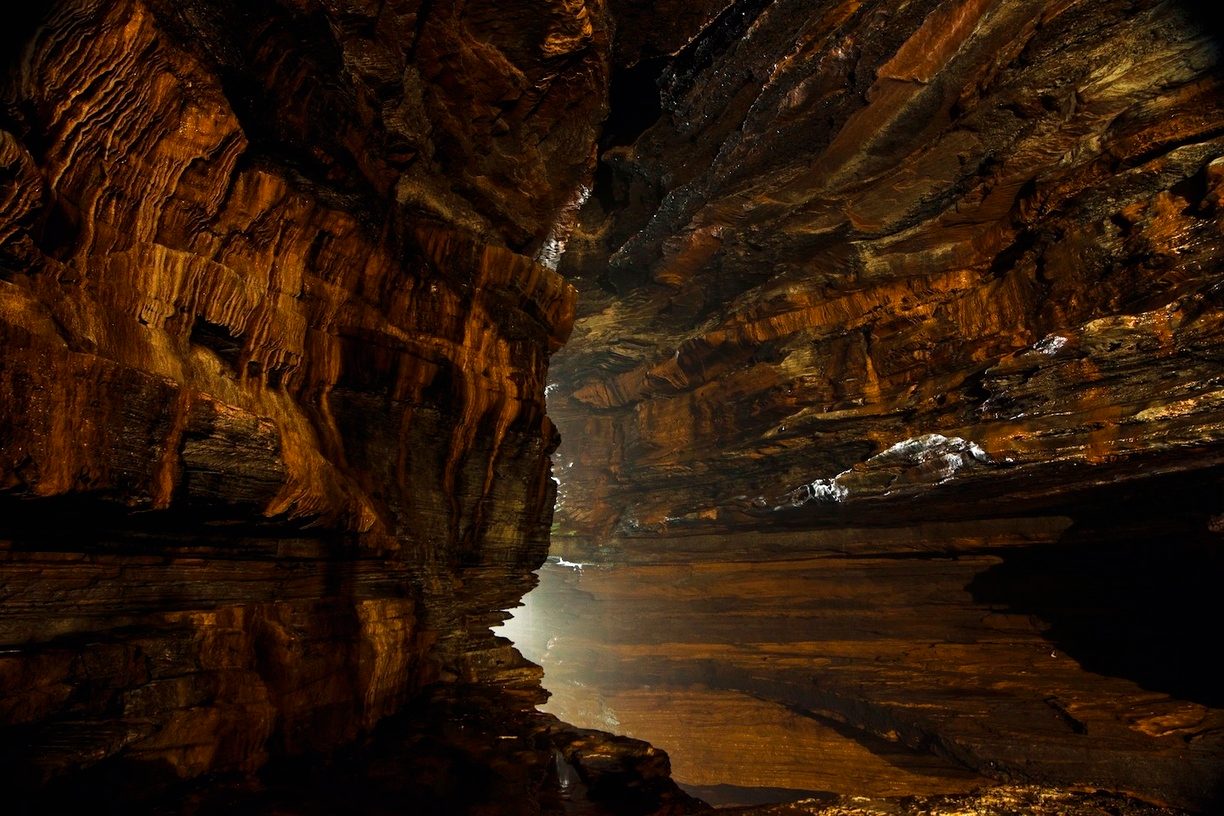
10 min walk
Located directly opposite Devi's Fall, this limestone cave is easily combined with your visit to the waterfall.
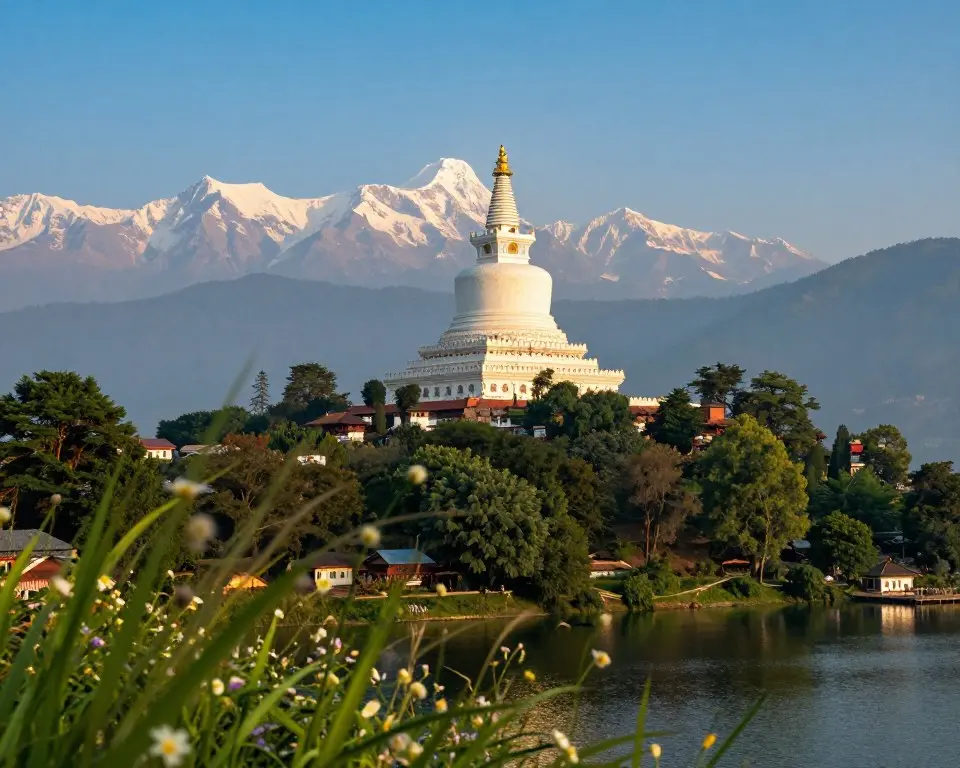
30 min drive
While further away, this site is frequently paired with afternoon visits to ensure you reach the location within the recommended arrival window.
Everything you need to know about pokhara sightseeing tour cost
The final pokhara sightseeing tour cost depends on your choice of private versus group transport, the number of cultural sites visited, and whether you include a professional guide. Additional expenses often arise from lunch, personal souvenirs, and voluntary gratuities.
Most tour operators include basic transportation and guide services, but you should clarify if entry fees are excluded. Individual landmarks, such as local museums, require separate admission payments, which are rarely covered in the baseline price.
Because entry fees are often separate, the pokhara sightseeing tour cost for an independent traveler primarily covers local transport like taxis or shared shuttles. You can budget more effectively by prioritizing sites that are geographically close to each other.
There is no single entrance fee for the entire city, so expect to pay 0 NPR at public areas while budgeting for specific ticketed attractions. For instance, some museums charge an entry fee of 750 NPR, which you should account for in your planning.
To keep your pokhara sightseeing tour cost down, consider hiring a local taxi for a half-day or opting for a group excursion. Planning your route to align with the best arrival window helps you visit more locations efficiently before afternoon cloud cover sets in.
While formal skip-the-line services are uncommon, arriving during the recommended window of 08:30–16:00 helps you avoid peak crowds at popular cultural sites. This timing ensures a smoother experience at heavily visited landmarks throughout the Gandaki Province region.
While seasonal fluctuations exist, the base pokhara sightseeing tour cost remains relatively stable throughout the year. Demand for private guides may rise during the autumn trekking season, so booking your preferred services in advance is advisable.
Pokhara Tour Package Price
Read more GuidePokhara Day Trip Itinerary
Read more GuideWhat is Pokhara Famous For?
Read more GuidePokhara Day Trip from Kathmandu
Read more GuideIs Pokhara Worth Visiting?
Read more Tickets & toursPokhara Day Trips
Read more Tickets & toursHalf-Day Pokhara Tours
Read more