3 hr
Sarangkot Sunrise Himalayan Vista Tour
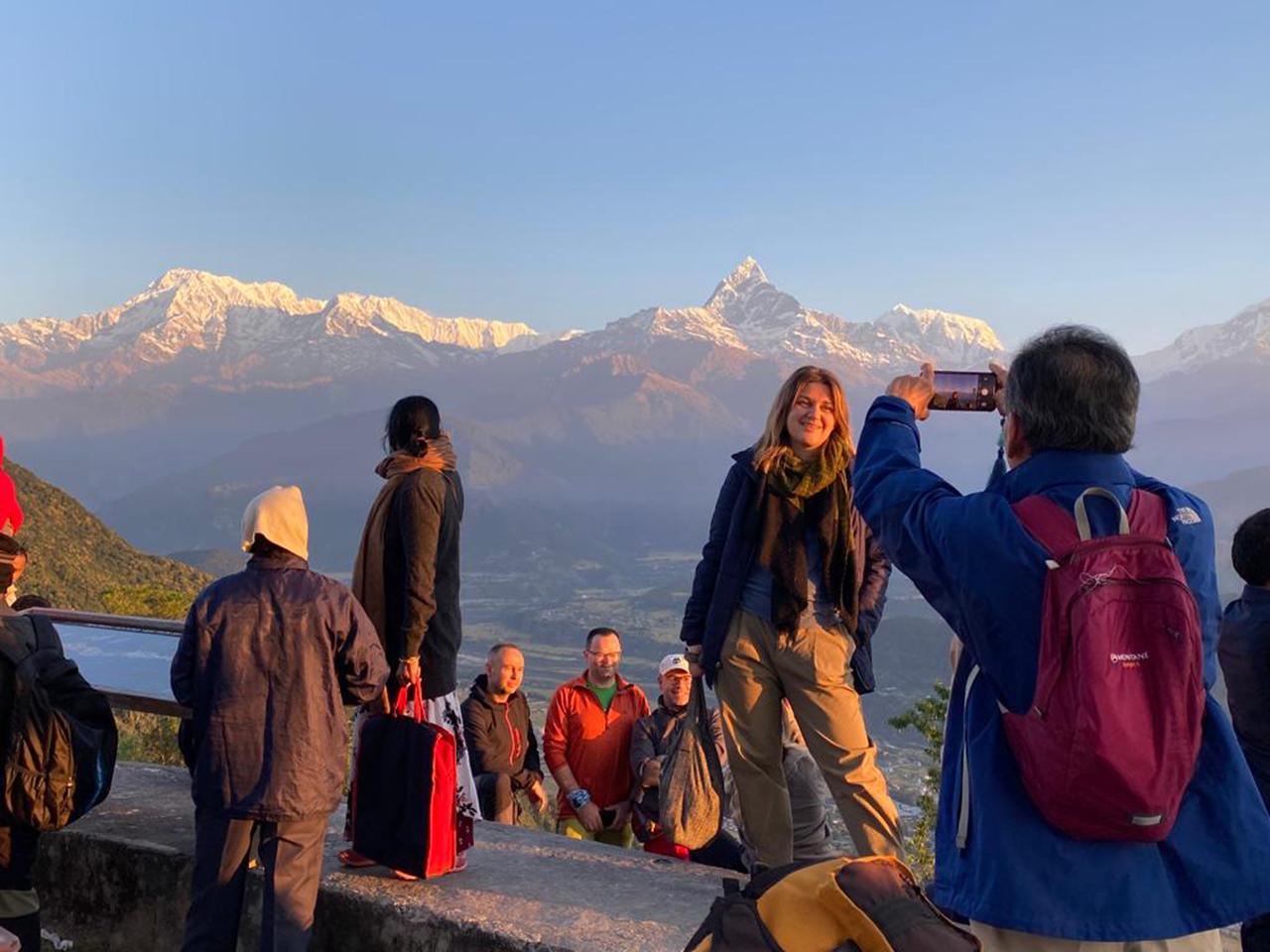
Witness dawn break over towering Himalayan giants from Sarangkot's panoramic viewpoint above Pokhara
Reserve
Hand-picked by our editors — only the best 5 experiences from 47 reviewed.
Verified partners for every tour, free cancellation where available, and instant confirmation on every booking.
3 hr
Witness dawn break over towering Himalayan giants from Sarangkot's panoramic viewpoint above Pokhara
Reserve
6 hr
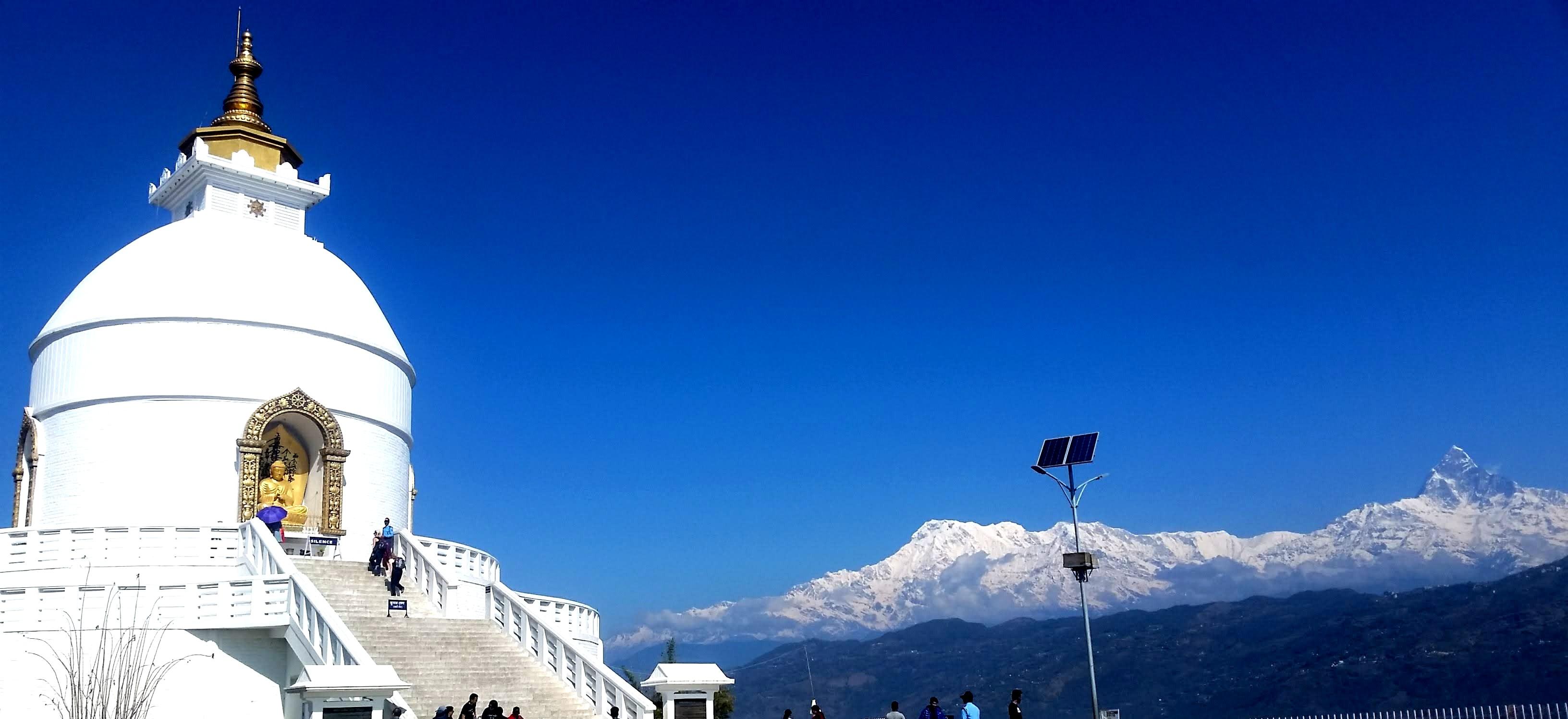
Explore Pokhara's natural wonders and spiritual sites on a guided shared coach excursion
Reserve
6 hr
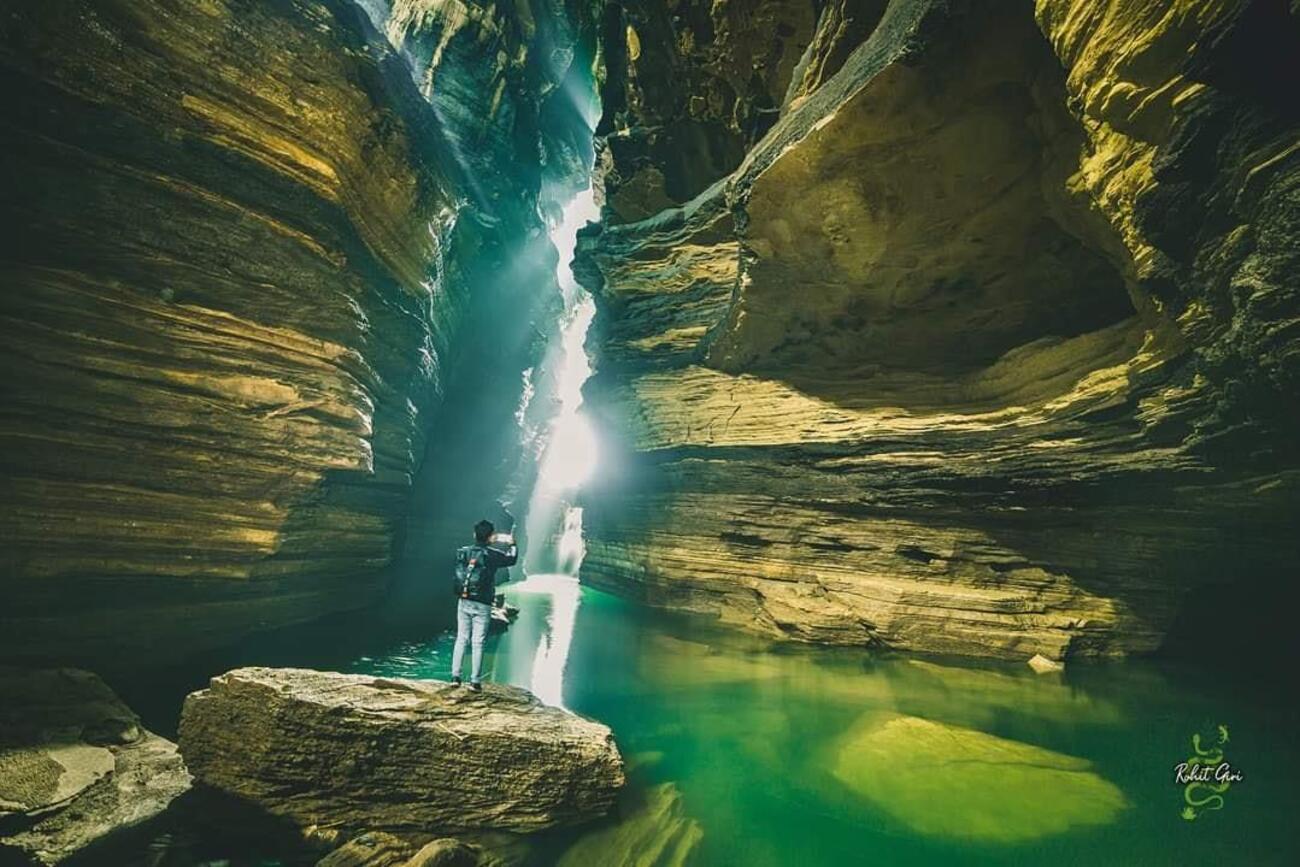
Discover underground caves, sacred temples, thundering waterfalls and Himalayan heritage on this comprehensive private expedition
ReservePrices from verified partners. Availability updates in real time at checkout. Free cancellation policies apply where shown.
The landmarks, rooms, and views travelers on this tour remember — all visible on a single visit.
A primary vantage point offering panoramic views of the Annapurna range.
They complement each other; most visitors who do both call Ghandruk the more culturally immersive choice for your pokhara day trips tours.
| Feature | Top pick Sarangkot Sunrise | Ghandruk Village |
|---|---|---|
Experience Type |
Observation Deck | Cultural Settlement |
Travel Time |
30–45 minutes | 3–4 hours |
Primary Activity |
Mountain viewing | Gurung heritage exploration |
Physical Demand |
Low | Moderate |
Best For |
Quick morning vistas | Deep cultural immersion |
| See tickets → |
Verdict: Choose Sarangkot if you prioritize early morning Annapurna views, or select Ghandruk for a complete village experience as part of your pokhara day trips ticket purchase.
Choose your ticket, select your date, and reserve in under two minutes. Secure checkout handled by our verified partner.
Instant confirmation by email, with a mobile voucher you can save offline. No printing, no queuing at a collection desk.
Arrive at the entrance, show your voucher on your phone, and walk in. Most tickets include priority or skip-the-line access.
Practical details for your visit straight from our verified partners — hours, access, rules, and how to get there.
Sarangkot, Pokhara 33700
Primary drop-off for Pokhara day trips
Most direct method from Lakeside; negotiate price in advance
Private hire vehicles provide flexibility for group Pokhara day trips
Wear modest clothing, especially when visiting religious structures near Sarangkot. Sturdy footwear is essential for walking on uneven terrain.
Large backpacks are discouraged due to narrow trails. Security personnel may perform random checks at the conservation entry point.
Tripods are permitted but must not obstruct public paths. Respect local privacy when taking photos of residents or private dwellings.
The viewpoint terrain is rugged and steep, making it challenging for those with mobility aids. Paved segments are limited near the primary parking zone.
Mobile signal is generally reliable at the summit. Use phones to track sunrise times, but maintain quiet to preserve the morning atmosphere.
Children must remain supervised at all times near steep cliffs. Carry adequate water and snacks as facilities are limited at the summit.
Several small teahouses serve warm drinks and local snacks. Carrying a reusable water bottle is recommended to minimize waste.
Pets are permitted if kept on a leash at all times. Owners must clean up after animals to maintain the conservation area.
The 60 NPR fee supports local trail maintenance and conservation. Always verify weather conditions before departing as cloud cover can obscure visibility.
Best time to go, insider tips, nearby landmarks, and the cancellation fine print — flip through to skim what matters to you.
How crowds, weather, and events shift across the year.
September to November offers clear skies and pleasant temperatures for Pokhara day trips.
Small details that turn a good visit into a great one.
Arrive at 05:00 to 06:30 for the best views before the peak crowds.
Non-bookable sights within a short walk — free to visit, easy to pair.
A historic temple dedicated to Goddess Durga offering city views.
Flexible, no hidden fees.
Cancellations made 24 hours in advance receive a full refund. The 60 NPR conservation fee is non-refundable if the ticket has been processed.
Hand-picked options within walking distance — pick a district for vibe, or a specific hotel for convenience.
The primary hub for travelers booking Pokhara day trips.
Pokhara sits at 827 meters, cradled between Phewa Lake and the 8,091-meter summit of Annapurna I — a vertical gain visible from breakfast tables across the valley. The city became Nepal's second-largest urban center not through industry but geography: the Seti River gorge carves invisible canyons through the downtown grid, and the Annapurna massif pins the northern horizon in a 55-kilometer arc of ice. By the 1970s, the lakeside strip had transformed from a Newar farming settlement into the staging ground for Himalayan trekkers, its guesthouses filling each October with climbers bound for the circuit trails. Today the valley holds 518,000 residents, but its day-trip radius remains defined by altitude and light. Sarangkot ridge, 1,592 meters above sea level, anchors the sunrise circuit. The conservation tower charges 60 NPR per visitor and opens before dawn; on clear mornings the Annapurna range ignites in alpenglow at 05:47, fourteen minutes before the sun clears the eastern ridge. The phenomenon lasts nine minutes. Below the tower, terraced farms step down toward Phewa Lake in geometric precision, a patchwork inherited from centuries of Gurung and Magar cultivation. The ridge also serves as the launch point for paragliders — thermals rise reliably after 09:00, and tandem flights trace the lake's perimeter at 1,200 meters. The seven-landmark circuit loops south from the lakeside: Bindhyabasini Temple, constructed in the 17th century and still active with morning puja; Devi's Fall, where the Pardi Khola vanishes into a limestone sinkhole; Gupteshwor Cave, a 3,000-meter labyrinth that opens behind the waterfall; the International Mountain Museum, cataloging Everest expeditions since 1953; Seti River Gorge, twenty meters deep and four meters wide at Mahendra Pool; the Tibetan settlement at Tashiling, established in 1960; and the Peace Pagoda, a 1,100-meter-elevation stupa completed in 2000 by Japanese monks. Shared bus excursions cover the route in seven hours with coordinated stops; private tours extend the loop to include Davis Falls viewpoint and the Bat Cave shrine. Pokhara day trips operate year-round, though monsoon clouds obscure the peaks from June through August. The conservation fee at Sarangkot applies per entry, collected at the tower gate. Winter mornings — December through February — offer the sharpest mountain definition, with visibility stretching past Dhaulagiri on windless days. The valley's accessibility by tourist bus from Kathmandu, a six-hour westward route, positions it as both destination and threshold: half the visitors stay for the lake, the other half depart for the high trails within forty-eight hours.

"The Annapurna range ignites in alpenglow at 05:47, fourteen minutes before the sun clears the eastern ridge — the phenomenon lasts nine minutes."
A step-by-step walkthrough of the visit — what you'll see, how long each stage takes, and the details that matter.
You leave the lakeside quarter at 04:45, headlamp beam tracing the switchback road toward Sarangkot ridge. The conservation gate opens as you arrive; you pay the 60 NPR fee and climb the tower's spiral stairs in darkness. At the platform's eastern edge, you position yourself against the rail — the Annapurna massif is a black wall, stars still visible above its serrated crest. Other visitors fill in behind you, thermoses uncapped, breath misting in the pre-dawn cold. At 05:47 the first light strikes Annapurna I's summit pyramid. The glow descends in stages — Annapurna South, Hiunchuli, Machhapuchhre's fish-tail ridge — until the entire range burns amber against the violet sky. You watch the phenomenon contract as the sun rises, the mountains fading to white by 06:00. Below the ridge, terraced fields emerge in green tiers, Phewa Lake a steel mirror in the valley floor. You descend by 07:00 and rejoin the circuit at Bindhyabasini Temple, where morning puja fills the courtyard with marigold smoke. At Devi's Fall you peer into the sinkhole, the river's roar echoing from the limestone throat. Gupteshwor Cave leads you behind the waterfall, spray beading on the rock ceiling. By midday you've reached the International Mountain Museum, its galleries tracing the 1953 Everest ascent through sepia photographs and oxygen canisters. The Seti Gorge cuts invisibly through the city center; you lean over the Mahendra Pool rail and watch the white water churn twenty meters below, the canyon narrower than a roadway.
Sarangkot is open from 00:00–23:59 daily.
The standard conservation fee is 60 NPR per person.
The 60 NPR fee is a conservation and viewing tower fee paid at the site.
Arrive between 05:00–06:30 to secure a prime spot for the sunrise.
There are no specific age limits, but trails are steep and require caution.
Yes, you can bring food, but please dispose of waste properly in bins.
Due to rugged, unpaved terrain, accessibility for wheelchairs is very limited.
The meeting point is at the Sarangkot parking area in Pokhara.
Cancellations are managed through your booking provider; verify their specific window.
You can combine these with visits to Phewa Lake or the Bindhyabasini Temple.